Waste collection near Waterloo station what to expect
Posted on 11/08/2026
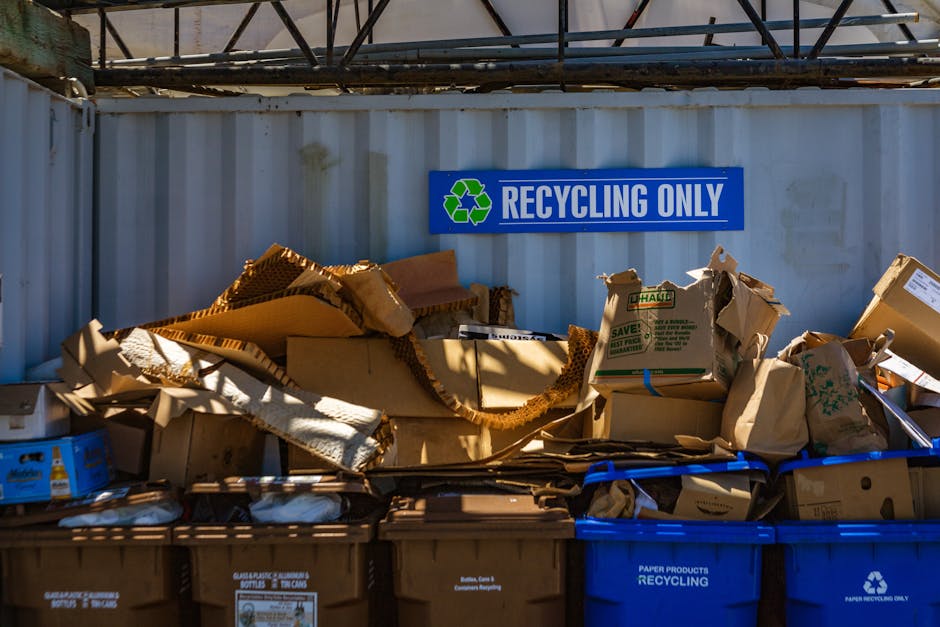
If you are arranging waste collection near Waterloo station, it helps to know what the day will actually look like. Is it a quick kerbside pickup? A same-day clearance from a flat above a busy street? Or a commercial collection that needs careful timing around station traffic, loading restrictions, and tight access? Truth be told, it can be a bit of all three.
This guide explains what to expect before, during, and after a local collection near Waterloo station. You will learn how the process usually works, what can affect price and timing, which mistakes catch people out, and how to prepare so the job runs smoothly. If you need a broader overview of available services, the services overview is a useful place to start.
Key takeaway: near Waterloo station, the best waste collection jobs are the ones that are planned for access, traffic, item type, and sorting before the crew arrives. A little prep goes a long way.
- Why this matters in a busy station area
- How local waste collection usually works
- Key benefits and practical advantages
- Who this is for
- Step-by-step guidance
- Expert tips for better results
- Common mistakes to avoid
- Tools, resources and recommendations
- Law, compliance and best practice
- Options and comparison
- Real-world example
- Practical checklist
- Conclusion
- Frequently asked questions
Why Waste collection near Waterloo station what to expect Matters
Waterloo station is not a quiet suburban cul-de-sac. It is one of those places where footfall, buses, taxis, delivery vans, cyclists, and pedestrians all seem to arrive at once. That matters because waste collection in this sort of setting is about more than lifting bags into a truck. It is about timing, access, safety, and keeping disruption low.
In practice, people near the station often deal with mixed waste from offices, hospitality units, rented flats, shops, refurbishment work, and busy households with no easy storage space. Bulky items may sit in hallways or basements for longer than they should. A reliable collection service helps clear that pressure before it turns into clutter, complaints, or a trip hazard. You know the feeling: one sofa box, two bin bags, and suddenly the landing looks like a depot.
It also matters because local waste collection has to fit around real-life constraints. Loading points may be limited. Access routes may be narrow. A crew may need to work quickly and politely around neighbours or building managers. So when people ask what to expect, the honest answer is: a good service should feel organised, calm, and surprisingly efficient, even if the location itself is hectic.
If your needs are broader than a one-off pickup, a full waste clearance service in Waterloo can be a better fit than trying to piece things together yourself.
How Waste collection near Waterloo station what to expect Works
The exact process depends on the job, but most collections follow a fairly simple pattern. First, you describe what needs removing. Then the provider gives an estimate or quote based on volume, item type, access, and any special handling. After that, a collection window is arranged. On the day, the team checks the load, confirms the price if needed, and clears the waste for sorting, reuse, or disposal.
That sounds straightforward, and often it is. The detail lies in the local conditions. Around Waterloo station, collections may need to be scheduled around rush-hour pressure, commercial deliveries, basement access, stair-only buildings, or limited stopping space. A small flat clearance can take far longer than expected if the crew has to carry items several floors down a cramped stairwell. On the flip side, a well-prepared collection can be done very quickly. It really depends on the set-up.
Most people also want to know what happens to the waste afterwards. Good operators separate items where practical, divert recyclable materials where they can, and handle disposal in line with normal UK waste management expectations. If sustainability matters to you, the company's recycling and sustainability approach is worth reviewing before you book.
For certain jobs, specialised services may be more appropriate. For example, a refurbishment project may call for builders waste disposal in Waterloo, while a workplace clean-out may fit better with office clearance. The right service saves time. Sometimes a lot of time.
Key Benefits and Practical Advantages
There are a few reasons people choose a professional waste collection instead of trying to manage everything themselves. The first is convenience. Near Waterloo station, the time cost of sorting transport, loading, parking, and disposal can be higher than many people expect. When you factor in access issues, a simple DIY job can become a half-day headache.
The second is speed. A coordinated team can usually remove mixed waste, bulky items, or accumulated rubbish far faster than a private vehicle trip. This is especially useful if you are working to a deadline, preparing a property for tenants, or clearing a site before trades arrive.
The third is reduced stress. There is something oddly satisfying about seeing a cluttered room, hallway, or yard clear out in one go. It gives the space back to you. That's not a small thing when you live or work in a high-traffic part of London where every square metre matters.
Other practical advantages include:
- Less handling: fewer trips up and down stairs or through communal areas.
- Better sorting: recyclable and non-recyclable materials can be separated more effectively.
- Cleaner results: the space is usually left tidier than a self-managed move-out.
- More suitable for awkward items: furniture, white goods, and mixed household waste are easier to deal with professionally.
If you are removing old seating, wardrobes, or office furniture, specialist options such as furniture removal and furniture disposal can make the job much less painful.
Who This Is For and When It Makes Sense
This kind of collection is useful for a wide range of people. Homeowners use it when they are decluttering or moving out. Landlords use it between tenancies. Facilities teams use it when an office or commercial unit needs a reset. Builders and decorators use it when the job leaves behind plasterboard, offcuts, packaging, and the usual debris that somehow multiplies overnight.
It also makes sense if you are:
- clearing out a flat near the station with no lift or limited storage space;
- replacing appliances and need old units taken away;
- dealing with garden waste after seasonal pruning;
- preparing a loft, storage room, or basement for renovation;
- trying to clear commercial waste without interrupting the working day.
For example, a cafe manager near the station may need rubbish collected before opening hours, while a resident might just want a quick evening slot so a bulky sofa does not linger in the hallway all week. Different circumstances, same basic need: get it out safely and without drama.
Specialist services like house clearance, loft clearance, and commercial waste removal are there for exactly those situations where a general pickup is not enough.
Step-by-Step Guidance
If you want the collection to go smoothly, it helps to approach it in a sensible order. Here is the practical version.
- List what needs removing. Be specific. A bag of rubbish, three chairs, one fridge, some broken shelving, and a mattress are very different things from "a few bits".
- Separate the obvious categories. Keep general waste, furniture, appliances, garden waste, and builder's debris apart if you can. It helps with quoting and with loading on the day.
- Check access. Stairs, lifts, loading bays, parking restrictions, and building entry rules all matter more near Waterloo station than people expect.
- Ask how pricing is calculated. Some collections are volume-based, some are item-based, and some depend on weight or special handling. Make sure you understand which is which before agreeing.
- Confirm timing. A narrow time slot is useful if the area is busy. If your building has strict entry hours, say so early.
- Prepare the items. Move waste to one place if possible, but do not overdo it if lifting would be unsafe. That is what the team is there for.
- On the day, do a quick walkthrough. Make sure nothing has been missed, especially in cupboards, under desks, behind doors, or in storage corners where things like to hide.
A little organisation before collection usually saves a lot of back-and-forth later. And if you have ever tried to move a wardrobe down a narrow staircase at 7:30 on a weekday, you will know why.
Expert Tips for Better Results
The best tip is simple: give accurate information upfront. A lot of collection problems start with vague descriptions. "Just a bit of rubbish" can mean almost anything. A clearer list means a more realistic quote and fewer surprises on arrival.
Another useful habit is to photograph the waste from a few angles. Even a couple of quick pictures can help the crew judge access and volume properly. That is especially helpful for mixed waste, basement storage, or awkward corners where the full picture is hard to describe in words.
Here are a few more things that make a real difference:
- Put sharp objects or broken glass safely aside so they are easy to identify.
- Remove personal items from cupboards, desks, and drawers before a clearance.
- Tell the provider about lifts that are out of service, tight stairwells, or no-parking zones.
- Ask whether the job is suitable for a one-off collection or whether you need a recurring arrangement.
- Check whether the provider can handle the specific item type, especially for fridges, washing machines, and other heavy appliances.
One small but important point: if a building manager, concierge, or letting agent is involved, loop them in early. It avoids that awkward "nobody told me" moment at the front door. Nobody likes that moment.
If you need appliance support, the dedicated white goods and appliance disposal service is a sensible option for items that need a more careful removal process.

Common Mistakes to Avoid
The biggest mistake is underestimating volume. People often think they have two bags of waste, then realise there are boxes in the kitchen, packaging in the hall, and a broken chair nobody admitted to owning. It happens. More often than you'd think.
Other common mistakes include:
- Leaving everything until the last minute. That makes access and scheduling harder.
- Not checking what the provider accepts. Some waste streams need specialist handling.
- Forgetting access restrictions. Parking near Waterloo station can be tight, and assumptions are risky.
- Mixing items carelessly. This can slow the job and make pricing less predictable.
- Choosing only on price. The cheapest quote is not always the best value if service, compliance, or timing suffer.
There is also the old trap of assuming any van and a friendly face equals a proper waste operator. It doesn't. Always check that the business is set up to handle waste lawfully and professionally.
For peace of mind, it is worth reviewing the company's waste carrier licence and compliance information before you book.
Tools, Resources and Recommendations
You do not need fancy tools to prepare for a waste collection, but a few basics help. Strong bags, gloves, tape, a marker pen, and a rough inventory sheet can make the difference between a neat handover and a messy scramble. For bigger jobs, a tape measure is handy too, especially for furniture and access planning.
Recommended preparation items:
- Bin bags or rubble sacks: useful for loose household waste and small clear-ups.
- Labels or sticky notes: helpful if different items are going to different places.
- Protective gloves: sensible if you are moving broken or dusty items.
- Basic photo set: useful for quotes and internal record-keeping.
- Access notes: building codes, parking instructions, and contact details for the day.
In terms of service choices, think about the type of waste first. General rubbish, garden cuttings, office furniture, builders' debris, and old appliances all have slightly different handling needs. That is where the right service matters more than a generic "one size fits all" approach. If the job is outdoors, garden waste removal can be a better match than standard rubbish collection. If it is a mixed property job, a broader waste disposal service may suit you better.
Law, Compliance, Standards, or Best Practice
For waste collection in the UK, the main principle is straightforward: waste should be handled by someone who is properly authorised, and it should end up in the right place. For residents and businesses, that means choosing a provider that follows accepted waste-handling practice, uses lawful disposal routes, and can explain what happens to the rubbish after collection.
You do not need to become an expert in waste regulations overnight. But it is sensible to know the basics. A reputable provider should be able to show that it operates responsibly, manages waste transfer appropriately where required, and takes care with safe loading, transport, and disposal. That matters even more in busy central London locations where access and public safety are part of the everyday picture.
Commercial customers should be especially careful. Office managers, landlords, contractors, and facilities teams may have internal policies to follow around access, insurance, data-bearing items, or hazardous materials. If you are unsure, ask clear questions before the collection is booked. Better a slightly longer conversation now than a headache later.
You may also want to check practical risk and safety guidance through the company's insurance and safety information, plus the site's terms and conditions if you are comparing providers.
Options, Methods, or Comparison Table
When people search for waste collection near Waterloo station, they often compare three main approaches: a one-off collection, a specialist clearance, or a self-managed trip to a disposal point. Each has its place. The right choice depends on the volume, urgency, item type, and how much lifting you want to do yourself.
| Option | Best for | Pros | Trade-offs |
|---|---|---|---|
| One-off waste collection | Mixed rubbish, small-to-medium loads, quick removals | Simple, fast, minimal effort | May be less efficient for very large or specialised jobs |
| Specialist clearance | House, office, loft, or furniture-heavy jobs | Better for complex access and larger volumes | May need more detail during booking |
| Self-managed disposal | Very small amounts, flexible schedules | Direct control over timing | Time-consuming, physically demanding, parking and transport hassles |
As a rule of thumb, if the waste is awkward, bulky, or time-sensitive, a specialist service is usually easier. If the waste is small and you genuinely have the time, self-managed disposal may be fine. But near Waterloo station, the convenience factor often wins.
Case Study or Real-World Example
Here is a typical scenario. A small office just off the station needed to clear out old chairs, broken shelving, boxes of packaging, and a handful of outdated electrical items. The team had been stacking everything in a meeting room because the corridor was too busy during the day. By Friday afternoon, the room had turned into a sort of accidental warehouse.
The best result came from doing three things before collection day: grouping the items by type, confirming building access with the manager, and setting a narrow arrival window so the crew could work before the late-afternoon commuter rush. The collection itself was straightforward because the prep was done properly. No drama, no guesswork, no long back-and-forth at the door.
That is usually the pattern with waste collection near Waterloo station. The job gets easier when someone thinks a few steps ahead. A messy environment is rarely the real problem. It is the surprise access issue, the missing details, or the "oh, we forgot that cabinet" moment that creates friction.
If a business needs broader support after a refit or relocation, it can be worth looking at a targeted service like office clearance in Waterloo rather than treating everything as standard waste.
Practical Checklist
Use this checklist before booking a collection near Waterloo station.
- Confirm what needs removing and what will stay.
- Take a few photos of the waste and access points.
- Measure bulky items if furniture is involved.
- Check stair access, lift access, and parking restrictions.
- Tell the provider about any fragile, heavy, or unusual items.
- Separate general waste from appliances, furniture, and garden waste where possible.
- Ask how the quote is calculated.
- Confirm whether the team can remove items from inside the property or only from outside.
- Make sure a responsible adult is available on the day if needed.
- Keep pets, children, and foot traffic clear of the working area.
Simple rule: the more clearly you define the job beforehand, the smoother the collection will be. It's one of those boring truths that saves you money and time.
Get a free quote today and see how much you can save.
Conclusion
Waste collection near Waterloo station should feel organised, punctual, and practical. The area is busy, so the biggest differences usually come from access, timing, and how clearly the job is specified at the start. If you plan well, choose the right service type, and give honest details about the waste, the process is usually far easier than people expect.
For most readers, the goal is not just to remove rubbish. It is to reclaim space, reduce stress, and keep life moving without a pile of unwanted items sitting in the way. And that, in a place as active as Waterloo, can feel like a very real win. A small one perhaps, but a proper one.
When the room clears, the hallway opens up, the air feels lighter, and everything looks just that bit more manageable. Sometimes that is enough.